
High rollers have always occupied a special place in the casino ecosystem. These players, capable of wagering amounts far above the average customer, generate a disproportionate share of total revenue for both land-based and online casinos. While casual players may come and go, high-value gamblers are treated as long-term assets whose loyalty, satisfaction, and continued engagement are critical to a casino’s financial stability. Understanding how casinos monetize high rollers reveals not only sophisticated marketing and retention strategies but also a carefully constructed world of exclusivity, personalization, and psychological engagement.
This article explores the core mechanisms casinos use to attract, retain, and monetize high rollers. From VIP programs and tailored incentives to advanced data analytics and luxury services, each element plays a role in maximizing lifetime value while reinforcing the perception that elite players are receiving something truly special.
Who High Rollers Are and Why They Matter to Casinos
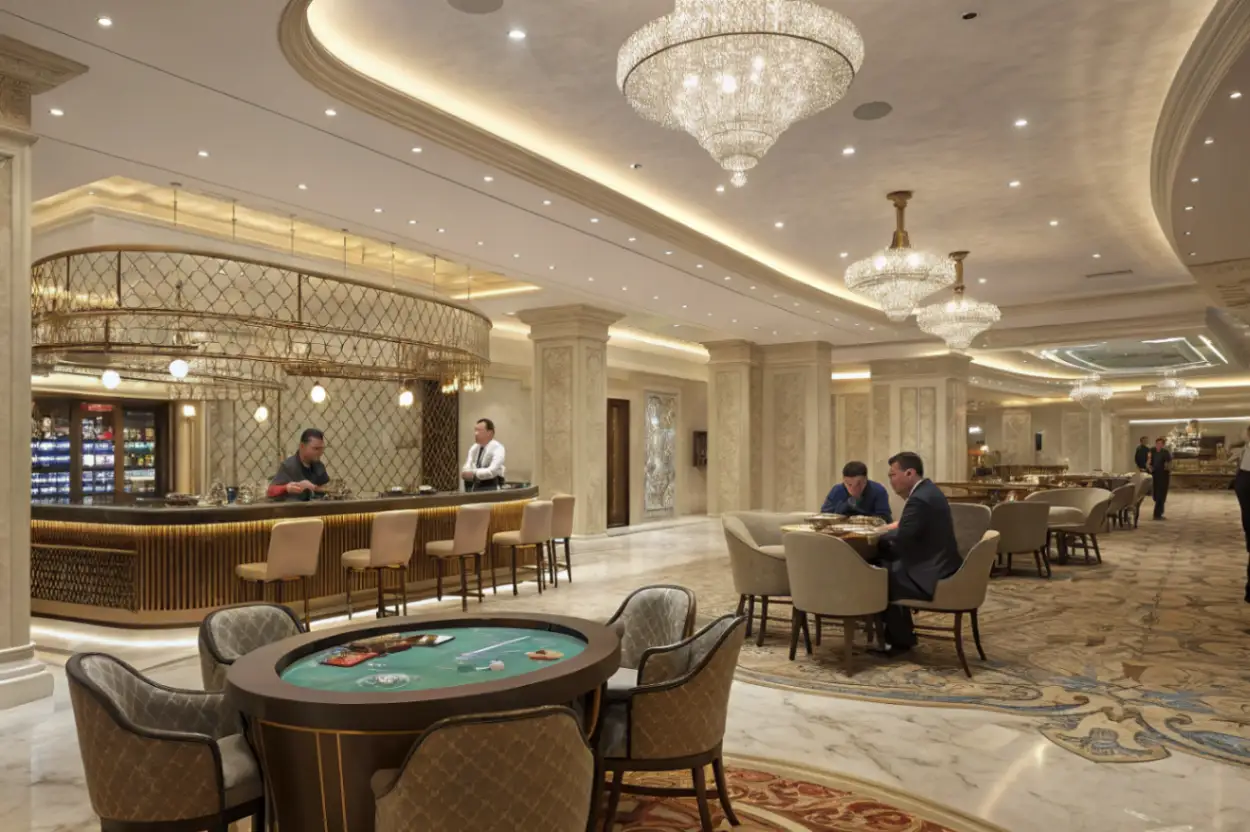
High rollers, often referred to as VIP players or whales, are gamblers who consistently wager large sums of money. In traditional casinos, this may mean betting tens or hundreds of thousands of dollars per session at baccarat, blackjack, or roulette tables. In online casinos, high rollers are identified not only by single large bets but also by sustained high deposit volumes, frequent play, and long-term value.
For casinos, the economic logic is simple. A relatively small group of high rollers can generate a substantial percentage of total gaming revenue. Marketing to mass audiences is expensive and unpredictable, whereas investing in the retention of proven high-value players offers a clearer return on investment. This is why casinos devote entire departments to VIP management, player development, and high-limit gaming operations.
Beyond direct wagering revenue, high rollers contribute to brand prestige. A casino known for attracting wealthy, influential players enhances its reputation, which in turn draws media attention, partnerships, and aspirational customers. High-limit rooms, private gaming salons, and exclusive online VIP platforms are not just revenue tools; they are part of a broader branding strategy that positions a casino as elite and trustworthy.
VIP Programs as the Core Monetization Framework
VIP programs are the backbone of high roller monetization strategies. Unlike standard loyalty schemes that rely on points and tiers accessible to the general public, VIP programs are often invitation-only and highly personalized. Their primary goal is not merely to reward play, but to lock in long-term loyalty and encourage higher betting volumes.
Before examining specific benefits, it is important to understand how casinos structure VIP programs. Typically, players are assigned to tiers based on wagering volume, net losses, or overall value. As players move up, the rewards become less standardized and more bespoke.
Below is an overview of common VIP program components and how they contribute to monetization:
| VIP Feature | Purpose for the Player | Benefit for the Casino |
|---|---|---|
| Dedicated account manager | Personalized support and communication | Stronger emotional bond and retention |
| Higher cashback rates | Reduced short-term losses | Encourages continued high-volume play |
| Exclusive bonuses | Tailored incentives | Increased wagering turnover |
| Faster withdrawals | Improved trust and convenience | Long-term loyalty and reduced churn |
| Access to private games | Sense of exclusivity | Higher average bet sizes |
These benefits are usually introduced gradually, with clear communication that higher status unlocks better treatment. After the table, it becomes clear that VIP programs are less about generosity and more about strategic reinvestment. Casinos calculate rewards carefully to ensure that incentives increase overall wagering without exceeding acceptable cost thresholds. The perceived value for the player is often much higher than the actual cost to the casino.
Personalized Incentives and Psychological Triggers
One of the most powerful tools casinos use to monetize high rollers is personalization. Unlike mass-market promotions, VIP incentives are crafted around individual behavior, preferences, and psychological triggers. This personalization creates the feeling that the casino understands the player on a deeper level, which significantly increases engagement.
To implement this, casinos rely on detailed player profiling. Every bet, game choice, session length, win, and loss is tracked and analyzed. Over time, this data reveals patterns that allow casinos to predict when a high roller is most likely to increase bets, take risks, or disengage. Incentives are then timed to align with these moments.
In the context of VIP engagement, personalization often includes:
- Custom bonus offers based on preferred games and betting patterns.
- Loss recovery incentives during downswings to prevent churn.
- Invitations to exclusive events aligned with personal interests.
- Flexible wagering requirements adjusted to player habits.
Before and after this list, it is important to note that these incentives are rarely framed as pressure. Instead, they are presented as gestures of appreciation or exclusive opportunities. After the list, the strategy becomes clear: casinos use psychological reinforcement to smooth volatility and maintain consistent wagering behavior, even during losing streaks.
This approach leverages principles from behavioral economics, such as loss aversion and reciprocity. When a casino “gives back” during losses, players are more inclined to continue playing, believing they are valued and supported rather than exploited.
Luxury Services and Offline-Style Experiences
High rollers expect more than just financial incentives. For many, the appeal of gambling lies in the experience itself. Casinos capitalize on this by offering luxury services that transform gambling from a transactional activity into a lifestyle experience.
In land-based casinos, this includes private jets, five-star hotel suites, gourmet dining, spa access, and concierge services. These perks are not merely complimentary; they are designed to keep players on-site, comfortable, and emotionally invested in the casino environment. The longer a high roller stays, the more opportunities there are for wagering.
Online casinos replicate this experience digitally by offering priority support, custom interfaces, private tournaments, and exclusive live dealer tables. Some platforms even integrate offline perks, such as invitations to real-world events, luxury travel packages, or branded experiences.
The key monetization logic here is subtle. Luxury services reduce friction and distractions. When a player’s basic needs are met and their environment is optimized for comfort, gambling becomes the primary focus. This increases session length, average bet size, and overall spend without the player feeling overtly encouraged to gamble more.
Data Analytics and Lifetime Value Optimization
Modern casinos operate more like technology companies than traditional entertainment venues. Data analytics plays a central role in how high rollers are monetized, with the primary metric being lifetime value (LTV). Rather than focusing on short-term profit, casinos aim to maximize the total revenue a high roller will generate over months or years.
Advanced analytics models segment high rollers based on risk tolerance, volatility, loyalty, and responsiveness to incentives. These models help casinos decide when to offer bonuses, when to reduce pressure, and when to intervene with personalized outreach.
Importantly, casinos also monitor signs of fatigue or disengagement. A sudden drop in betting volume, shorter sessions, or reduced responsiveness can trigger retention campaigns designed to re-engage the player before churn occurs. This proactive approach is far more cost-effective than acquiring new high-value players from scratch.
By continuously refining these models, casinos create a feedback loop where each interaction improves future monetization strategies. The result is a highly optimized system that balances player satisfaction with profitability.
Risk Management and Controlled Generosity
While high rollers generate substantial revenue, they also represent financial risk. A single winning streak can result in significant payouts. To manage this, casinos employ sophisticated risk management techniques alongside their VIP offerings.
Controlled generosity is a core principle here. Bonuses, cashback, and perks are calibrated to offset losses without encouraging unsustainable play patterns. Casinos also adjust betting limits, game availability, and promotional frequency based on real-time risk assessments.
In some cases, high rollers may be subtly steered toward games with more favorable house edges or higher volatility, depending on their profile. This is done not through restriction, but through recommendation and presentation, ensuring the player retains a sense of autonomy.
This balance between generosity and control allows casinos to maintain long-term profitability while preserving trust and satisfaction among their most valuable customers.
The Future of High Roller Monetization
As technology evolves, the monetization of high rollers is becoming even more sophisticated. Artificial intelligence, machine learning, and real-time personalization are enabling casinos to anticipate player needs with increasing accuracy. Virtual reality casinos, blockchain-based transparency, and hybrid online-offline VIP programs are likely to further blur the line between gaming and luxury entertainment.
At the same time, regulatory scrutiny and responsible gambling initiatives are shaping how far casinos can go. The future will likely involve a more transparent and ethical approach to VIP monetization, where player protection and long-term engagement are balanced more carefully.
For high rollers, this means more tailored experiences and greater recognition. For casinos, it means continuing to refine strategies that turn elite players into loyal partners rather than short-term revenue sources.
Conclusion
Casinos monetize high rollers through a complex blend of personalization, luxury, data analytics, and psychological insight. VIP programs serve as the foundation, while bespoke incentives and premium services reinforce loyalty and increase lifetime value. Rather than relying on aggressive promotion, successful casinos focus on creating an environment where high rollers feel understood, appreciated, and motivated to return.
As competition intensifies and player expectations rise, the ability to balance profitability with genuine value will determine which casinos succeed in attracting and retaining the world’s most valuable players.